|
|||||
|
|
|||||
|
The Global Fund is one of the world’s best investments. And yet it struggles for funding. |
|||||
|
|
|||||
Uncertainty amid successThe Global Fund is one of the most effective health organisations on the planet, having helped save over 65 million lives since 2002. Despite this incredible success and a very high return on investment (more on that below), The Global Fund routinely struggles to secure the resources needed. With many donor countries turning inward, the outcome of the Fund’s next 3-year funding cycle is more uncertain than ever. – Joe Kraus, Aftershocks Editor 3 things to know1. Deaths from HIV/AIDS have dropped by 75% since 2002. Contracting HIV/AIDS was once a death sentence. Now, innovations in treatments make it possible to live a full life. The Global Fund has been crucial for getting treatments to people living in developing countries. As a result, the number of deaths from HIV/AIDS has fallen dramatically over the past two decades. 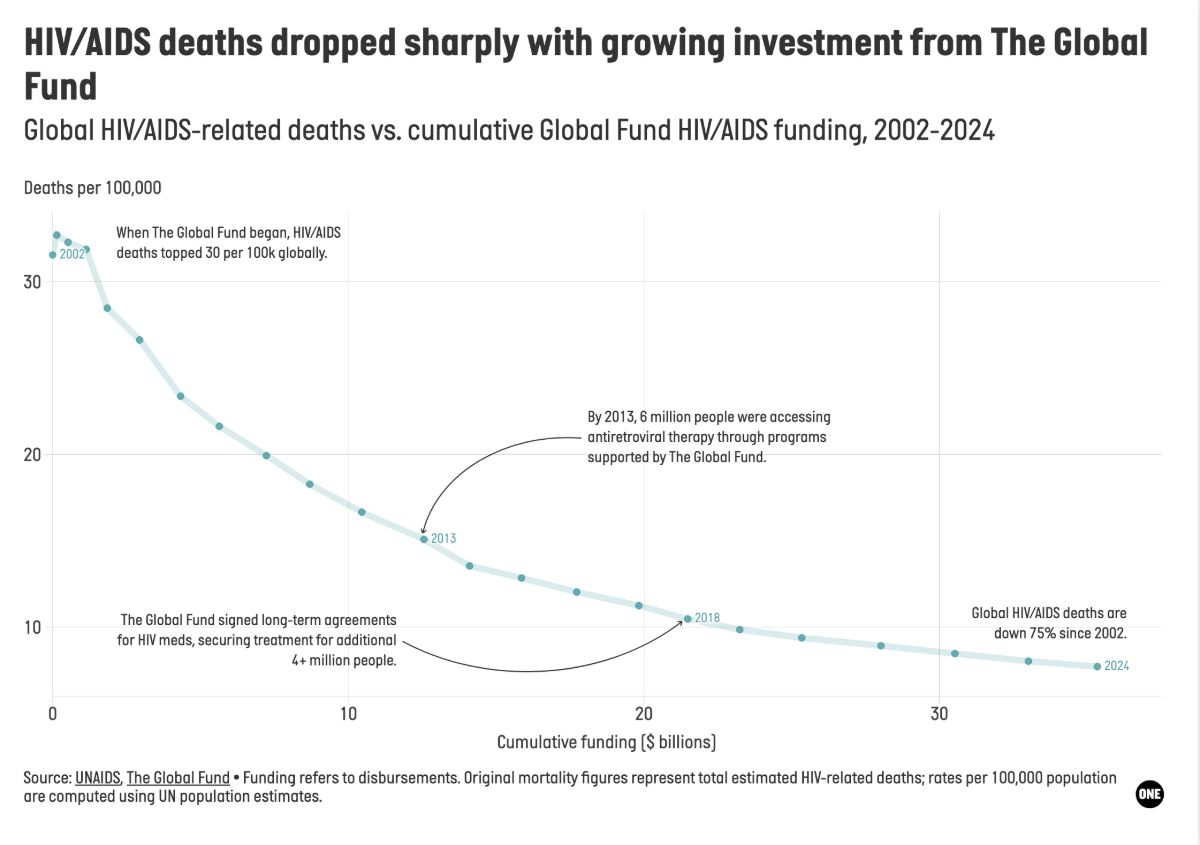 Click to view an interactive version of the chart. Why it matters: At its peak in 2004, AIDS was killing over 5,000 people every day and new HIV infections doubled each year. Today that number has been reduced to well under 2,000 deaths a day. Nearly 40 million people are living with HIV globally; 77% of them are accessing lifesaving antiretroviral treatment. 2. Tuberculosis deaths have been cut in half in just 20 years. Tuberculosis is the world’s deadliest infectious disease, killing more than 1 million people each year. But thanks to global health programs—including The Global Fund—the number of tuberculosis deaths has been significantly reduced over the past two decades. 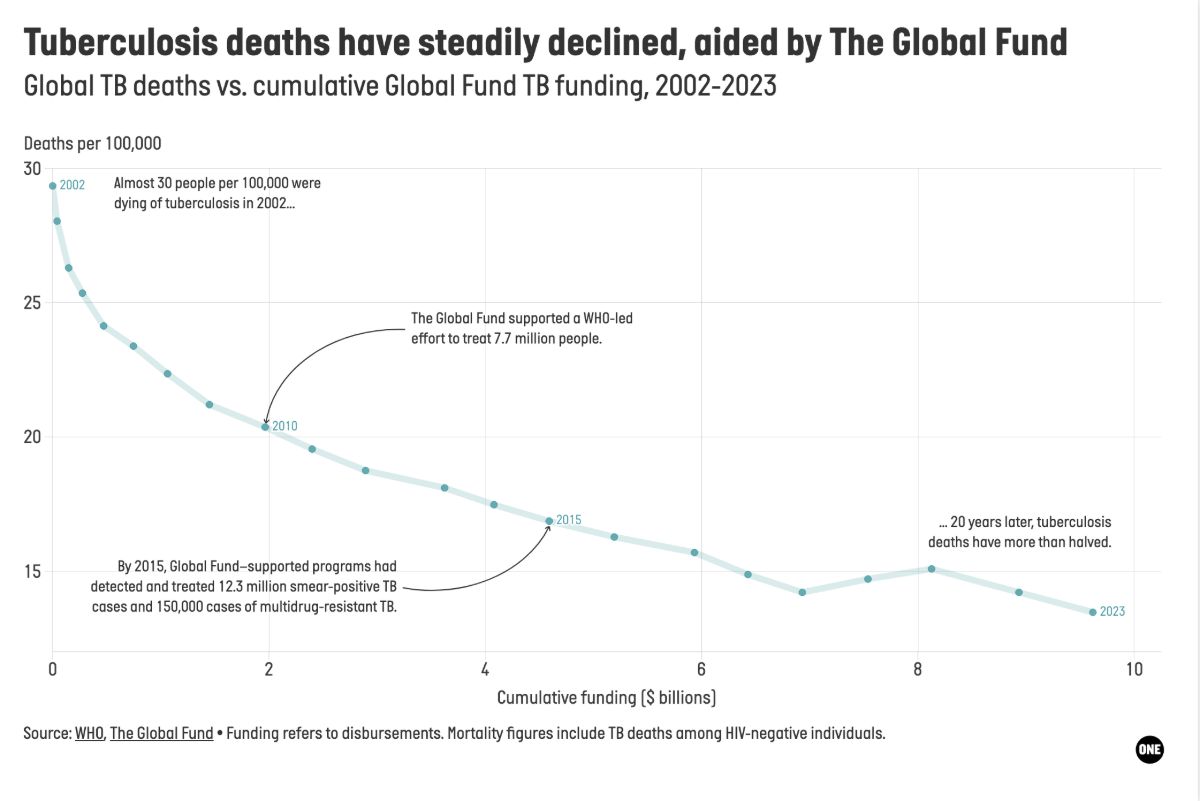 Click to view an interactive version of the chart. Why it matters: The drop in tuberculosis deaths is a remarkable testament to the power of modern medicine and international collaboration. But there remains much work to do: Last year, an estimated 1.25 million people died from tuberculosis. The majority of new cases occur in Africa and Asia. 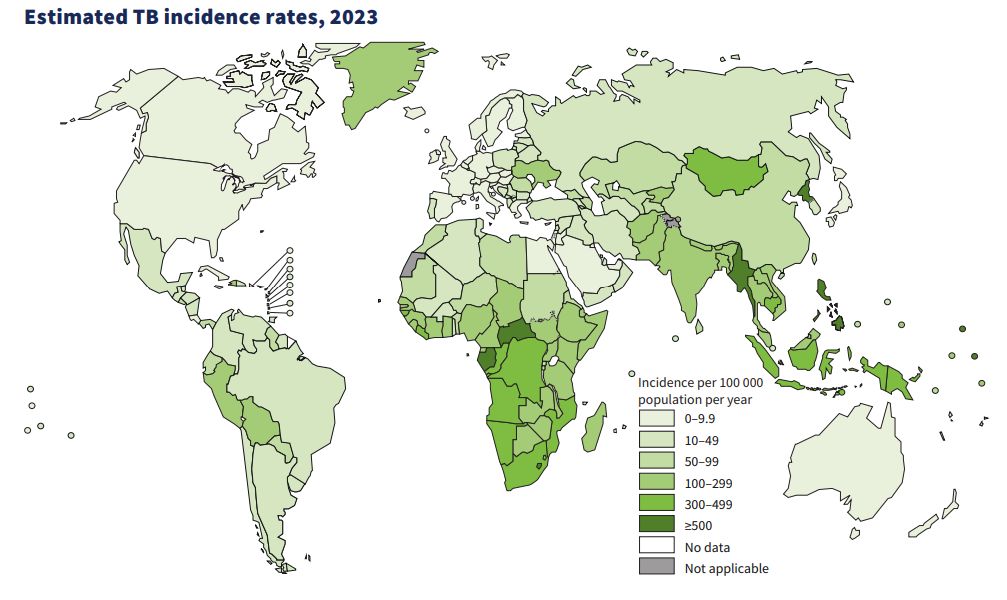 Source:World Health Organization. 3. The Global Fund’s ROI is massive. Every $1 invested generates $19 in health gains and economic returns. And yet The Global Fund routinely struggles to raise the resources needed to carry out life-saving work. That’s a stark comparison to global spending on militaries… 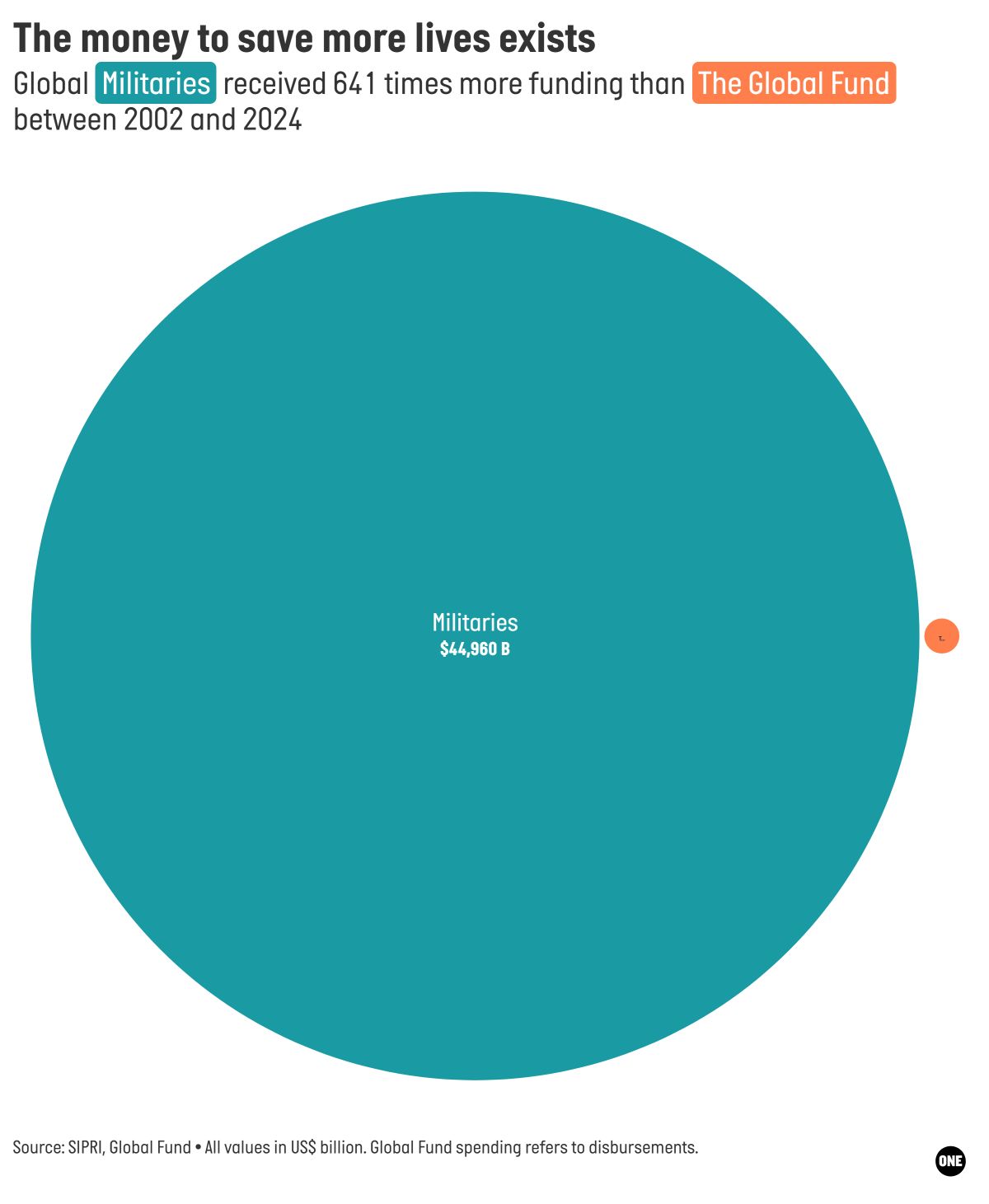 Click to view an interactive version of the chart. Why it matters: Military spending has increased by over 60% in the past decade, hitting a staggering $2.6 trillion in 2024. Compare that with The Global Fund, which spends around $5 billion each year to save many millions of lives. Yet it remains to be seen whether donor governments will step up to fully fund its efforts at the upcoming Global Fund replenishment, scheduled to take place in November. From the ONE Team

|
|||||
|
|
|||||
IN THE QUEUE:
|
|||||
|
|
|||||
|
The ONE Campaign’s data.one.org provides cutting edge data and analysis on the economic, political, and social changes impacting Africa. Check it out HERE. |
|||||
|
|
|||||
Did you like today's email?
Loved it 
Mehhh 
Hated it |
|||||
|
|
|||||
|
|||||
|
This email was sent by ONE.ORG to test@example.com.
You can unsubscribe at any time. ONE Campaign |